

Buy Durable Moisture Wicking Leggings: 2026 Guide
Table of Contents
- Why Durable Moisture Wicking Leggings Are Worth the Investment
- Breathable Fabrics for High Intensity Training: What Actually Works
- Squat Proof Leggings in Australia: How to Test Before You Trust
- How to Wash Moisture Wicking Activewear to Protect Durability
- Fit, Compression, and Waistband Design: Getting the Right Match
- Features That Separate Durable Leggings From Disposable Ones
- Conclusion
- Frequently Asked Questions
Last Updated: September 28, 2026
Why Durable Moisture Wicking Leggings Are Worth the Investment
Buy durable moisture wicking leggings once and you stop replacing them every season. This guide covers fabric science, construction, and testing so you choose well the first time.
Cheap activewear pills, loses waistband grip, and fades unevenly, so you replace it two or three times a year, costing more than one good pair.
Durable moisture wicking leggings combine technical fabrics with reinforced construction: higher upfront cost, but a sharply lower cost per wear over 12 to 18 months of training.
Breathable Fabrics for High Intensity Training: What Actually Works
Breathable fabrics for high intensity training must move sweat away faster than your body produces it, or you feel damp, heavy, and cold within 20 minutes.
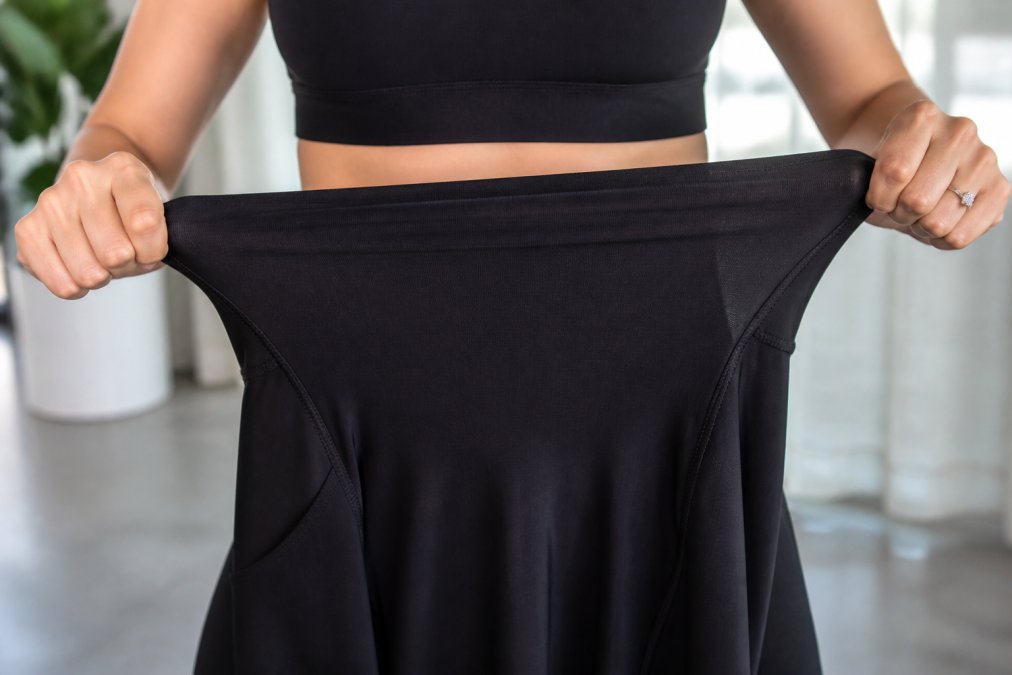
Synthetic blends outperform cotton: cotton holds moisture against your skin, while synthetics push it to the surface to evaporate.
Fabric Blends That Manage Sweat Without Weighing You Down
Look for a polyester-dominant blend with a small percentage of elastane: polyester wicks and dries quickly, while elastane adds stretch and shape retention.
Construction Details That Affect Breathability
Flatlock seams sit flat, reduce chafing during repetitive movement, and let more air pass through than bulky overlocked seams.
Squat Proof Leggings in Australia: How to Test Before You Trust
Squat proof leggings in Australia should pass a simple opacity test before you commit. The bend, stretch, and light test takes 30 seconds and beats any product description.
The Bend, Stretch, and Light Test
Hold the leggings to a bright light and stretch the fabric across your thighs. If you can see your hand through it, it will likely go sheer in a deep squat.
How to Wash Moisture Wicking Activewear to Protect Durability
How to wash moisture wicking activewear determines whether it lasts 12 months or three. Heat and fabric softener are the biggest enemies of technical fabrics.
Washing Habits That Cause Pilling and Fading
Pilling happens when loose fibres tangle on the fabric surface. Washing with towels, denim, or zips accelerates it, as abrasion pulls fibres loose into small balls.
| Washing Mistake | What It Causes | The Fix |
|---|---|---|
| Hot water wash | Elastane breakdown, sagging | Cold water, 30°C or below |
| Fabric softener | Blocks moisture wicking | Skip it entirely |
| Washing with towels or denim | Pilling, surface abrasion | Wash separately or use a mesh bag |
| Machine drying on high heat | Shrinkage, lost stretch | Air dry or low heat |
| Leaving sweaty gear in a bag | Odour set-in, fibre damage | Wash within a few hours |
Fit, Compression, and Waistband Design: Getting the Right Match
Fit directly controls how well a moisture-wicking legging performs. A rolling waistband, riding crotch, or bunched hem creates pressure points and trapped sweat, the difference between fabric that wicks and fabric that sits damp against your skin.
Compression Levels and What They Actually Do
Compression is graded, not binary. Most activewear sits in one of three bands:
- Light compression (roughly 15-20 mmHg equivalent): yoga, pilates, walking, recovery wear. Feels like a second skin, minimal squeeze.
- Medium compression (roughly 20-25 mmHg equivalent): running, cycling, gym training, HIIT. Reduces muscle vibration and holds the fabric close enough to wick efficiently.
- Firm compression (roughly 25-30 mmHg equivalent): long-distance running, heavy lifting, sport-specific training. Noticeable squeeze; not ideal for all-day wear.
Body-Type Specific Fit Notes
Generic size charts fail most people. Here are the most common fit issues and how to work around them.
Waistband Construction: What to Look For
Waistband height and construction are separate decisions: height is where the band sits, construction is whether it stays there.
- Wide flat bands (8 cm or more) distribute pressure and resist rolling; narrow elastic digs in and folds.
- Contoured bands curve higher at the back, following the waist-to-hip line, the most effective anti-roll feature.
- Bonded or seamless bands remove the top edge and the most common chafe point.
- Drawcord or internal gripper options suit wearers whose waist and hip measurements fall in different size bands.
How to Check Fit Before You Buy
- Squat test: Full-depth squat in a mirror; the waistband should move less than a centimetre.
- Bend test: Touch your toes and check whether the back waistband gaps from your spine.
- Reach test: Raise both arms overhead; the hem should not ride past mid-calf.
- Finger test: One finger under the waistband should slide with slight resistance, easy means too loose, a red mark after 30 seconds means too tight.
Pockets and Feature Trade-offs
Side pockets add convenience but also weight and a chafing seam line. For running and gym work, a single phone-sized thigh pocket is usually worth it; for yoga and floor work, a hidden waistband pocket for a key or card keeps the silhouette clean and removes a pressure point under the hip.
Features That Separate Durable Leggings From Disposable Ones
Most guides say what to look for but not how to test it. This section covers both: the construction features that predict longevity and the at-home tests that reveal whether a pair still performs after 50 washes.
The Four Failure Modes of Moisture-Wicking Leggings
Durable leggings fail in predictable ways. Understanding the mechanism tells you which features actually matter.
Construction Features That Predict Longevity
- Anti-pilling finish or tightly spun yarn. Look for 'anti-pill' or 'long-staple' fabrics; tightly spun yarn has fewer loose fibre ends to tangle.
- High elastane content with good recovery. Around 20 per cent elastane in a polyester blend is a common durability target; below 12 per cent, recovery fades faster.
- Flatlock or bonded seams. Flatlock sits flat and stretches with the fabric; bonded seams remove thread entirely, eliminating the most common failure point, but they cannot be repaired.
- Reinforced gusset with double stitching. A diamond or triangular gusset with double-stitched edges distributes load better than a single seam in the highest-stress zone.
- Colour-fast dye. Reactive-dyed fabrics resist fading from sweat, chlorine, and UV better than surface-dyed ones, and darker colours hide transparency longer.
- Mid-weight knit (240-280 GSM). Heavier knits hold shape and opacity better than lightweight ones, though they feel warmer.
How to Test Durability Before and After You Buy
These tests use no special equipment and take minutes.
The stretch-and-recover test (in-store): Stretch thigh fabric to roughly 150 per cent of resting length, hold five seconds, release. It should snap back within a second or two; slow recovery signals low elastane or poor knit structure.
Sustainability and Fabric Longevity
Durability and sustainability are the same conversation: the most sustainable legging is the one you don't replace. Two material choices support both goals:
- Recycled polyester (rPET) from post-consumer plastic performs identically to virgin polyester for moisture wicking and abrasion resistance, and reduces reliance on new petroleum feedstock. Look for a stated recycled percentage.
- Recycled nylon (econyl-type) matches virgin nylon's soft hand-feel and abrasion resistance with a lower environmental footprint, and is common in higher-end activewear.
Care Habits That Extend Lifespan
- Cold wash (30°C or below) preserves elastane and dye.
- No fabric softener or dryer sheets, they coat fibres and block wicking.
- Air dry, heat is the fastest way to destroy stretch recovery.
Conclusion
Finding leggings that hold up through consistent training takes research, but the payoff is real: you spend less over time, feel better during workouts, and stop dealing with sagging, pilling fabric.
Frequently Asked Questions
How do I tell if leggings are truly moisture-wicking?
Check the fabric label for terms like moisture-wicking, sweat-wicking, or quick-drying. Polyester and nylon blends with elastane are common. A simple test: place a drop of water on the fabric. If it spreads and evaporates quickly rather than sitting on the surface, the fabric is likely moisture-wicking. Also look for breathable fabric construction like mesh panels or flatlock seams that support airflow during high-intensity interval training.
What features should I look for in squat-proof, sweat-resistant leggings?
Look for a high-waisted design with a wide, flat waistband that stays put. Check for four-way stretch, a gusset for comfort, and flatlock seams to reduce chafing. Squat-proof leggings Australia shoppers buy should be opaque when stretched. Test by bending, squatting, and checking in bright light. Compression level matters too: light compression for yoga, firmer for running or training. Pocketed leggings are a bonus for convenience.
How should I care for moisture-wicking activewear to maintain durability?
Wash in cold water on a gentle cycle with similar fabrics. Avoid fabric softener, which coats fibres and reduces moisture management. Turn leggings inside out to protect the outer surface from pilling. Air dry when possible; if using a dryer, use low heat. High heat breaks down elastane and causes shape loss. Wash after every wear to prevent sweat and oils from degrading the fabric over time.
Are moisture-wicking leggings worth the investment for daily wear?
Yes, if you choose durable materials. Cheaper leggings often pill, fade, or lose shape after a few washes. Durable moisture wicking leggings made from quality polyester blends with elastane hold up better, retain shape, and manage sweat effectively. They also work for athleisure, transitioning from gym to casual wear. Look for anti-pilling finishes, shape retention, and reinforced seams. With proper care, they last longer and offer better value.